
Quick answer: kratom is the common name for Mitragyna speciosa, a tropical evergreen tree native to Southeast Asia. The leaves contain naturally occurring alkaloids that can produce stimulant-like or opioid-like effects depending on the person, product, and amount used.
If you are new to kratom, the most useful starting point is not hype. It is understanding what the plant is, how kratom products are commonly made, what the main product formats mean, and why sourcing, testing, labeling, and responsible adult use matter. This guide explains the basics in plain language and links to the main Phoria pages shoppers use to compare kratom capsules, kratom powder, kratom extracts, kratom gummies, and kratom tablets.
Important: Kratom products have not been evaluated by the FDA and are not intended to diagnose, treat, cure, or prevent any disease. Talk with a qualified healthcare professional before using kratom, especially if you are pregnant, nursing, taking medication, managing a medical condition, or using alcohol or other substances.

What Is Kratom?
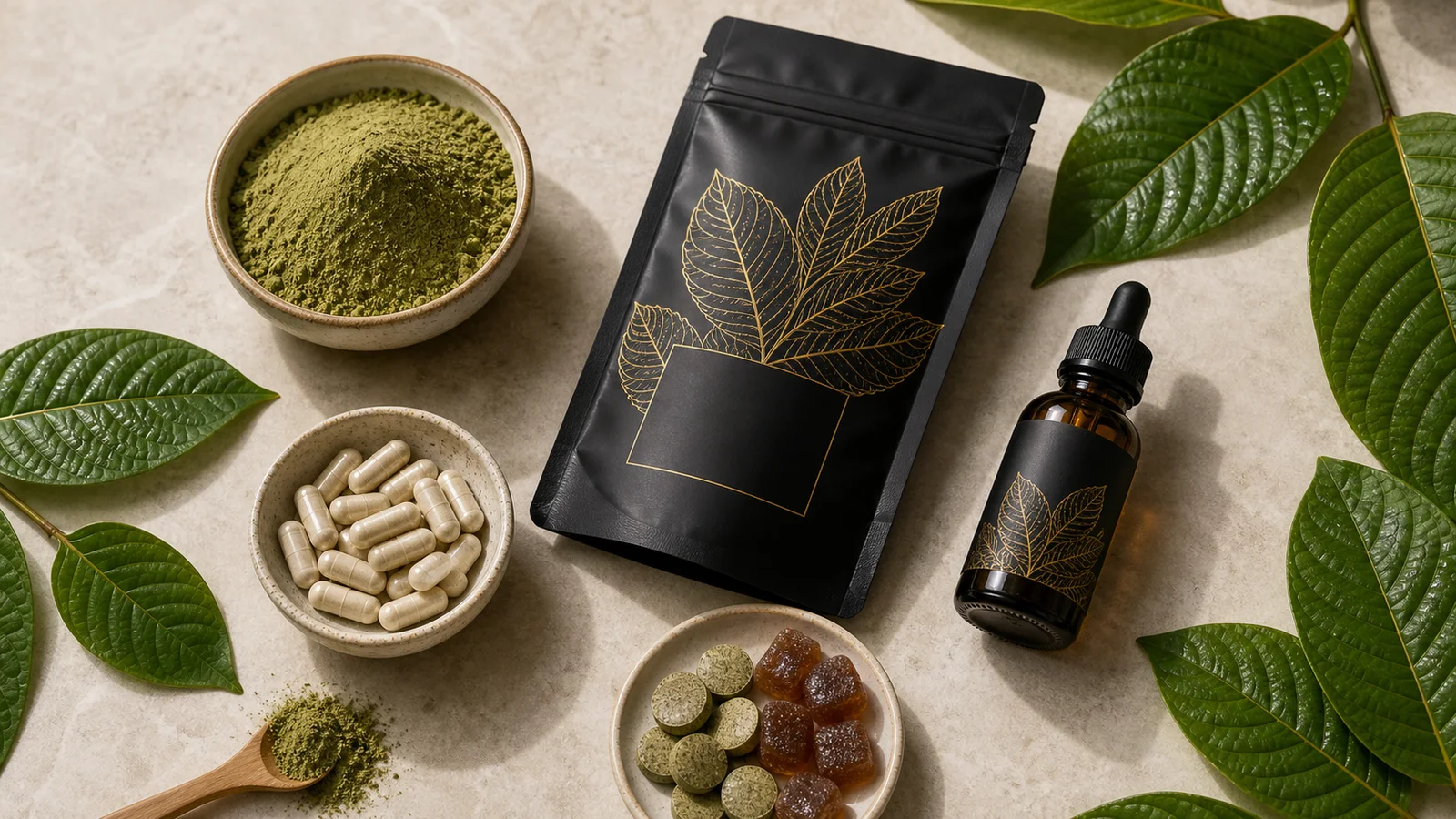
Kratom is a botanical ingredient made from the leaves of the Mitragyna speciosa tree, a tropical evergreen in the coffee family. The tree grows naturally in parts of Southeast Asia, including Indonesia, Thailand, Malaysia, and nearby regions. Traditionally, leaves were chewed or brewed into tea. Today, shoppers in the United States most often see kratom sold as powder, capsules, extracts, gummies, tablets, and prepared blends.
The phrase "what is kratom?" can mean two things. Botanically, kratom is a leaf from a specific tree. Commercially, kratom refers to finished products made from that leaf. Those finished products can vary widely in grind, concentration, serving size, formulation, and testing standards, which is why buying from a transparent source matters.
For a broader shopping overview, visit Buy Kratom. If you want to compare education articles, the Phoria Kratom blog covers related topics such as kratom strains, storage, product quality, and responsible use.
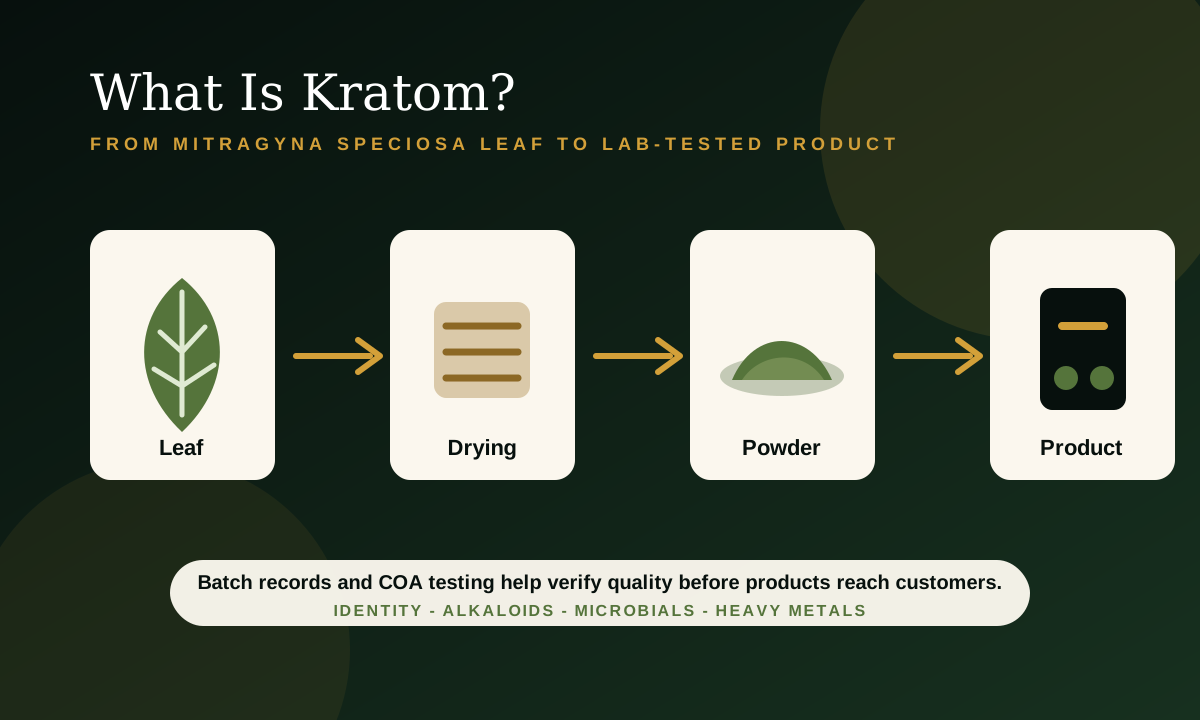
How Kratom Works: Mitragynine, 7-OH, And Alkaloids
Kratom leaves contain many plant compounds. The best-known alkaloids are mitragynine and 7-hydroxymitragynine, often shortened to 7-OH. Mitragynine is usually discussed as the main naturally occurring alkaloid in kratom leaf. 7-OH occurs in much smaller natural amounts, and concentrated 7-OH products are a separate area of public-health concern.
According to public health agencies, kratom can produce stimulant-like effects and opioid-like effects. This does not mean every kratom product affects every person the same way. Product concentration, serving amount, personal sensitivity, other substances, and health history all matter. It also means kratom should not be treated casually or marketed as a cure, treatment, or replacement for medical care.
If you want a deeper internal primer on related plant chemistry, read how kratom is similar to the coffee plant and our guide to kratom strains.
Common Kratom Forms
The best kratom format depends on how much control, convenience, and product strength information you want. The form does not make a product automatically better. It changes how the product is prepared, measured, and used.
- Kratom powder: Ground leaf powder. This is the traditional loose format and is often chosen by experienced shoppers who want flexibility.
- Kratom capsules: Pre-filled capsules designed for convenience and less mess than loose powder.
- Kratom extract: Concentrated kratom products. These require extra care because concentration can vary significantly by product.
- Kratom gummies: Prepared edible products for shoppers who prefer a ready-to-use format.
- Kratom tablets: Compact prepared products, often associated with extract-style formats.
Strain guide
Want to compare red, green, and white kratom?
Use strain names as shopping categories, then verify the product with labels, lab information, and your local laws.
Red, Green, And White Vein Kratom
Kratom shoppers often compare products by vein color. These names are common in the market, but they should be treated as product categories, not medical promises.
- Red vein kratom: A popular category for shoppers comparing evening or relaxation-oriented products.
- Green vein kratom: A common middle-ground category for shoppers comparing balanced routines.
- White vein kratom: A category often compared by shoppers interested in daytime or energy-oriented options.
You can also browse by shopping goal: energy kratom, relaxation kratom, and body and mind kratom. These pages are shopping filters, not health claims.
Kratom Safety, Side Effects, And Responsible Use
Kratom is a psychoactive botanical, and it can carry real risks. Public health resources describe reported side effects such as nausea, constipation, dry mouth, dizziness, drowsiness, itching, agitation, and dependence or withdrawal with repeated use. More serious events have been reported, especially when kratom is combined with other substances or when products are contaminated, mislabeled, or highly concentrated.
Kratom may interact with medications, alcohol, opioids, benzodiazepines, stimulants, antidepressants, sleep aids, and other supplements. Avoid combining kratom with alcohol or sedating substances. Do not use kratom while pregnant or nursing. Keep kratom products away from children and pets.
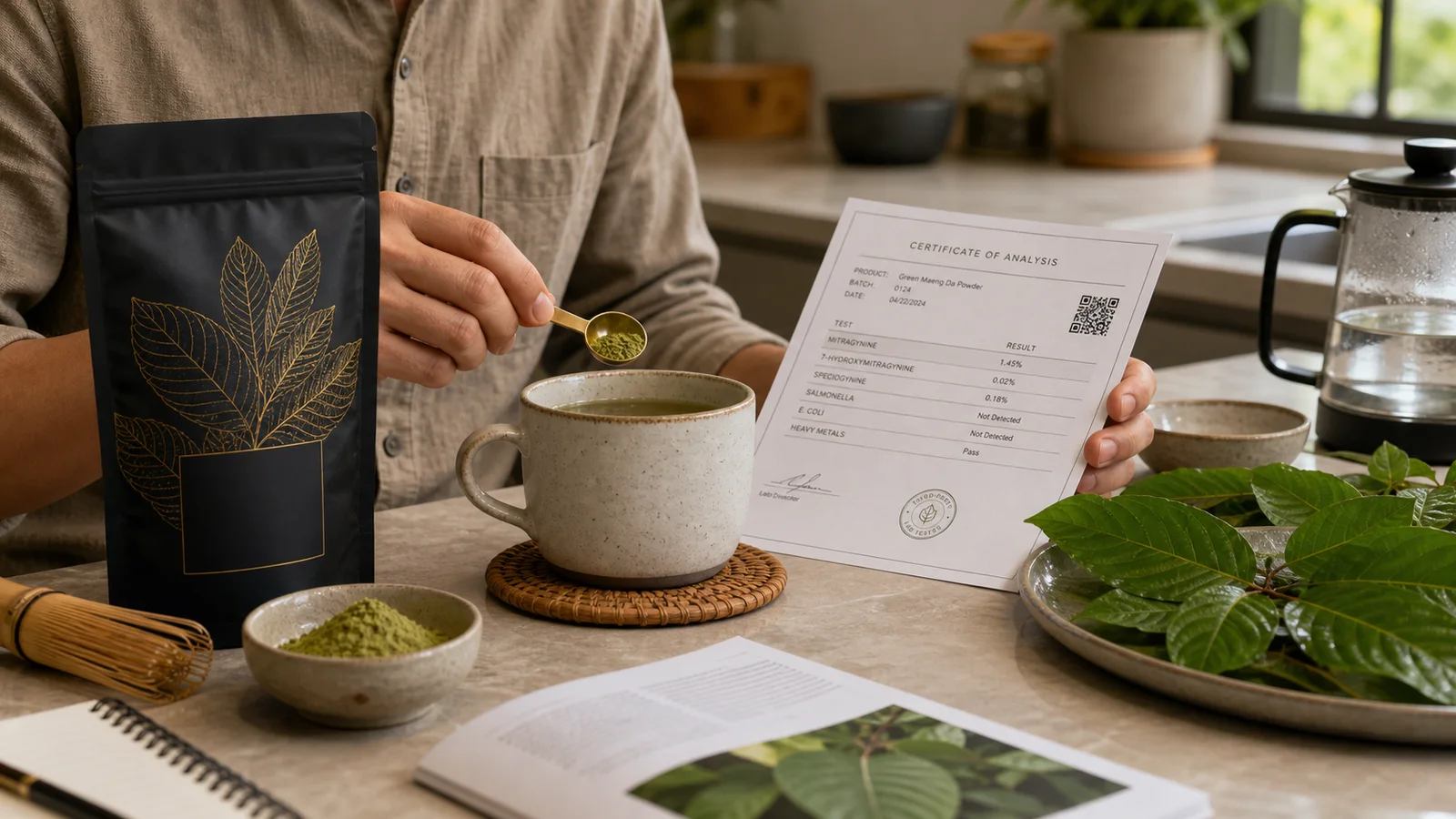
The safest purchasing approach is to choose a company that avoids disease-treatment claims, uses responsible adult-use language, labels products clearly, and supports third-party lab testing and batch transparency.
Kratom Legality And Regulation
Kratom laws change by location. In the United States, kratom is not federally scheduled as a controlled substance, but state, county, and city rules can differ. Some areas restrict kratom by age, product type, labeling, alkaloid content, or local ordinance. Before ordering, confirm the current law where you live and where the order will be shipped.
For more context, read our kratom legality guide. You should also review official public health resources from the FDA and NIH for current regulatory and safety information.
How To Choose Quality Kratom
Quality kratom shopping starts before checkout. A responsible kratom vendor should make it easy to understand what you are buying, where to find support, and how the product is represented.
- Look for clear product names, format details, and adult-use warnings.
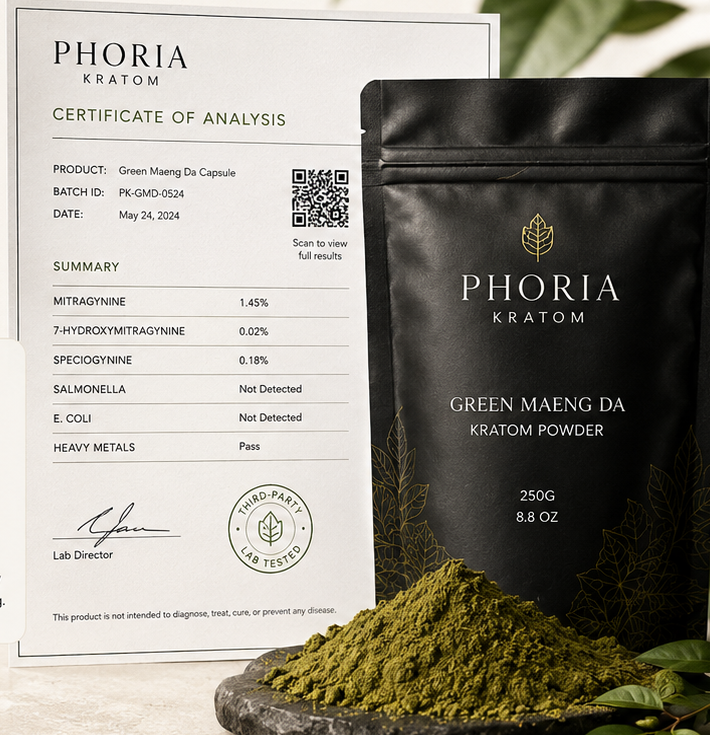
- Choose brands that support lab result access and batch documentation.
- Avoid products making claims to diagnose, treat, cure, or prevent disease.
- Be cautious with unusually strong extracts or unclear alkaloid information.
- Review customer support, shipping, and return information before ordering.
Shop Phoria Kratom Products
If kratom is legal where you live and you have decided it fits your adult-use routine, Phoria makes it easy to compare formats and shop by preference. Start with the full Phoria Kratom shop or use the product paths below.
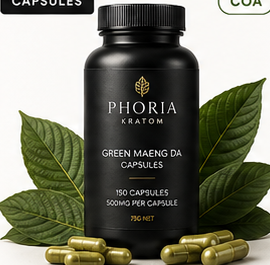 Kratom Capsules
Convenient capsule formats for shoppers who prefer simple, pre-filled products.
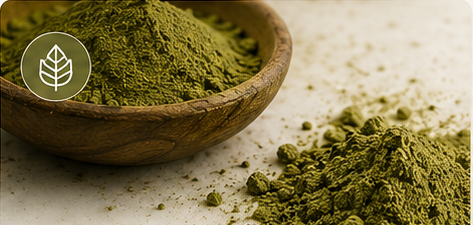 Kratom Powder
Traditional loose-leaf powder options across popular product categories.
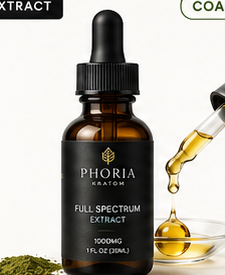 Kratom Extract
Concentrated formats for adults who understand serving size and product strength.
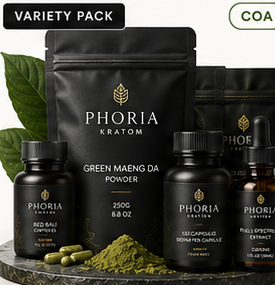 Best Sellers
Browse customer-favorite Phoria products across capsules, powders, and extracts.
Kratom FAQs
What is kratom in simple terms?
Kratom is the common name for Mitragyna speciosa, a tropical evergreen tree from Southeast Asia. Its leaves contain naturally occurring alkaloids, including mitragynine and small amounts of 7-hydroxymitragynine.
Is kratom the same as an opioid?
Kratom is not the same as prescription opioids, but some kratom alkaloids can interact with opioid receptors. That is why responsible adult use, careful product selection, and medical guidance are important.
What are the main types of kratom?
Most shoppers compare kratom by vein color, including red vein, green vein, and white vein kratom. They also compare by format, such as powder, capsules, extracts, gummies, and tablets.
What is the difference between kratom powder, capsules, and extracts?
Kratom powder is ground leaf, capsules place powder or prepared material into a pre-filled capsule, and extracts are concentrated products. Extracts should be approached carefully because concentration can vary by product.
Does kratom have side effects?
Yes. Reported side effects can include nausea, constipation, dry mouth, dizziness, drowsiness, agitation, and dependence with repeated use. Kratom may also interact with medications, alcohol, and other substances.
Is kratom legal?
Kratom rules vary by country, state, county, and city. In the United States, kratom is not federally scheduled as a controlled substance, but some states and localities restrict or ban it. Always check current local law before ordering.
How do I choose a quality kratom product?
Look for clear labels, responsible adult-use warnings, batch transparency, third-party lab testing, product-specific information, and a vendor that does not make disease-treatment claims.
Is Phoria Kratom lab tested?
Phoria Kratom is built around product quality, batch transparency, and lab-result access where available. Customers can review Phoria quality standards and shop by form, color, and product type on the site.
Final Thoughts
Kratom is a complex botanical. A good answer to "what is kratom?" should include the plant, the alkaloids, the product format, the risks, the law, and the quality controls behind the product. If you choose to shop kratom, use clear labels, lab testing, responsible adult-use standards, and current local laws as your baseline.
Ready to compare products? Browse the Phoria Kratom shop, explore best-selling kratom products, or review Phoria lab testing before you order.